Being watched can change the task you think you are doing
You know how to perform the work until someone important begins watching. The practical task remains the same, but a second task appears: demonstrate that you are the kind of person who deserves to be there. Attention moves from the document, instrument or conversation toward the observer's possible judgment. An ordinary hesitation starts to feel like exposure. You may rush, overcomplicate the explanation or avoid asking a useful question because the question seems to reveal what you were supposed to know already.
The problem is worth examining without declaring that every difficulty under observation has a single nervous-system explanation. Preparation, experience, workplace culture, evaluation practices and individual circumstances all matter. The useful distinction concerns the work and the performance of competence. The first aims to produce a dependable result. The second aims to control what someone concludes about you. They sometimes align. They can also compete, especially when protecting an image prevents the clarification that would make the actual work safer or more accurate.
Find where attention leaves the work
Consider a hypothetical analyst presenting a familiar report to a senior client. A question arrives about an assumption. Instead of checking the source, the analyst begins a long defense of the whole model. The client needed a specific answer. The analyst is trying to prevent a broader verdict about credibility. The result is more explanation and less clarity. A better response might be to identify what is known, mark the uncertainty and say when the underlying figure can be confirmed.
Notice the precise point at which you begin managing the observer rather than the task. Is it after an interruption, a silence, a title being mentioned or a small mistake? Write the moment in behavioral terms. “I answered before checking the number” gives you something to change. “I am bad under pressure” makes the event into an identity and supplies little direction. The aim is not to monitor yourself so intensely that you add another observer. It is to recognize one recurring diversion that can be addressed concretely.
Design a response you can use while imperfect
Prepare a few honest process statements: the information is on another page, this assumption needs verification, or the answer is outside your current remit. Their value lies in accuracy, not theatrical confidence. A rehearsed phrase should make it easier to remain accountable when you do not have an immediate answer. It should never become a method for concealing inadequate preparation. Distinguish uncertainty that the task reasonably contains from a missing piece of work you had a responsibility to complete.
Practice with conditions resembling the real setting where feasible. Explain the analysis to a colleague who can ask questions, rehearse the handover or work through the procedure with appropriate supervision. Seek feedback about the actual output rather than only whether you looked confident. An environment that punishes every question may need organizational correction; private rehearsal cannot make an unsafe evaluation culture fair. When the consequences are substantial, use the relevant professional checks rather than relying on your ability to appear untroubled while delivering the result.
Let credibility include correction
Afterward, review what the observer actually did rather than only what you imagined they thought. Was the question hostile, ordinary or helpful? Did acknowledging a limit damage the work, or did it make the next step more dependable? If you made an error, correct the relevant output promptly through the appropriate route. A clear correction can be more credible than an extended attempt to preserve the impression that no correction was necessary. Your reputation is being built through repeated accountability, not one uninterrupted display of certainty.
Ask for feedback at the level you can use. 'Did I look nervous?' may produce reassurance while leaving the work unexplored. 'Was the assumption clear, and did my answer identify what needed checking?' invites a more useful response. If the observer focuses entirely on appearance, consider seeking another source of task-specific feedback where appropriate. There are professions in which presentation itself is relevant, but it should still be assessed through clear criteria rather than an unspoken demand to look effortlessly certain. Knowing the criteria helps you prepare without turning every facial expression into a verdict. It also allows a fair distinction between a communication skill worth developing and a cosmetic performance that does little to improve the actual result.
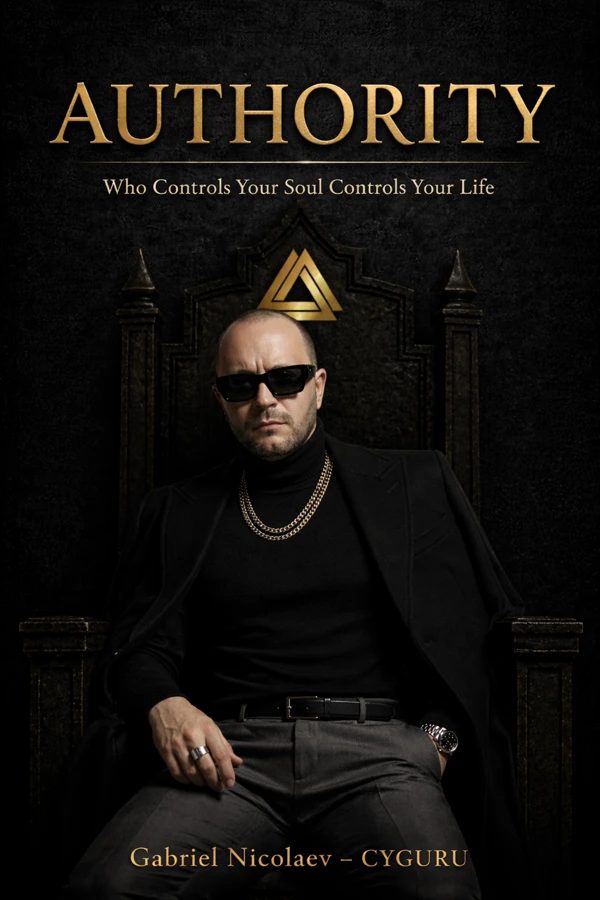
CyGuru's account of authority becomes practical here when self-command means remaining with the task while evaluation is possible. It does not require feeling invulnerable. You can notice discomfort and still consult the record, ask the question or make the correction. Competence includes knowing how knowledge is verified and where its limits lie. The observer does not need access to a flawless identity. They need a result they can assess and a person whose way of handling uncertainty makes that result more trustworthy.
Perspective & further context
This is a CyGuru editorial essay: an interpretive framework for examining decisions. The related book develops the author’s perspective; it is not independent evidence for every claim.
Explore more in Identity, Purpose & Power or follow its reading series. Browse every essay.