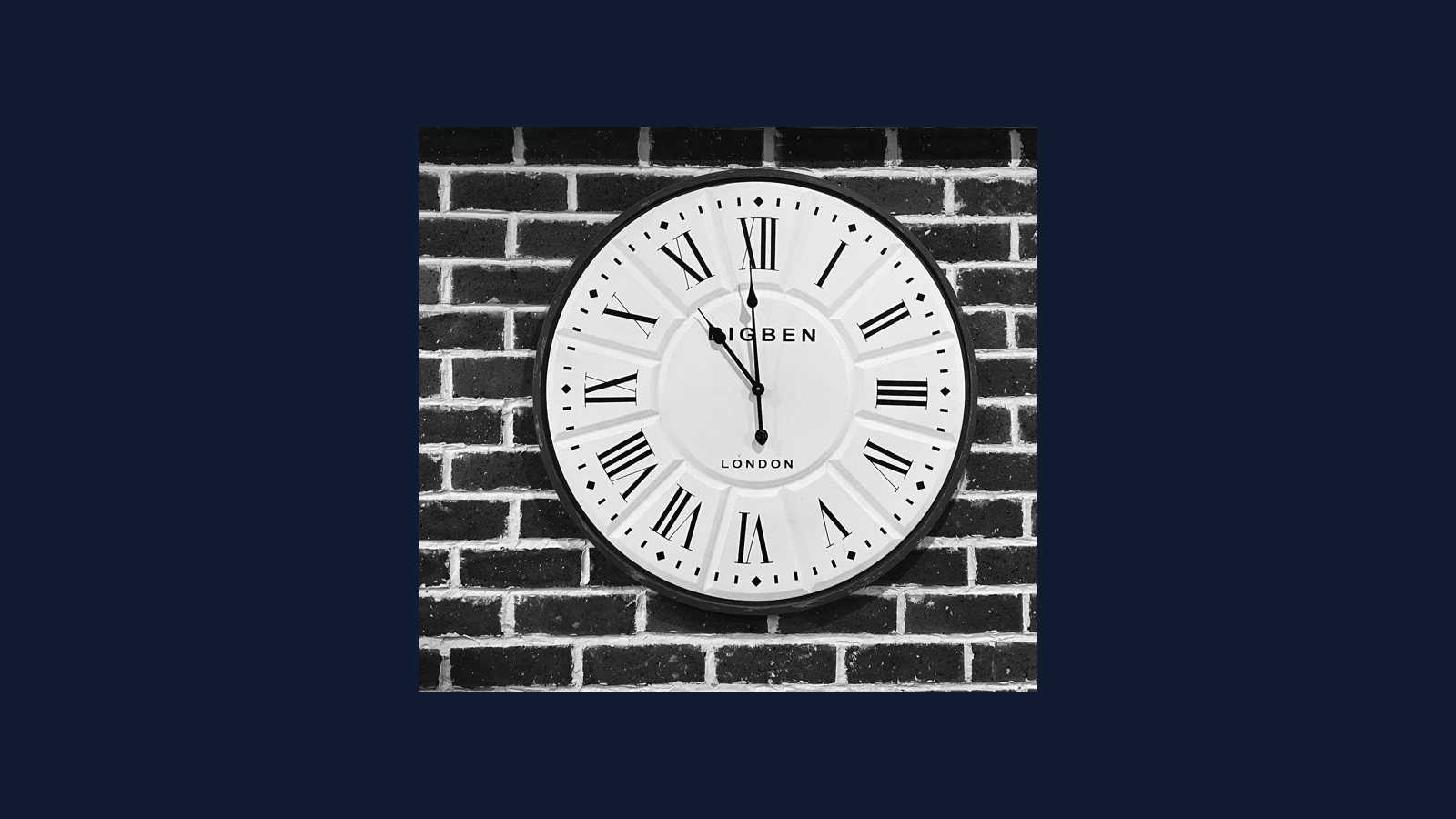
At night a concern can become an instruction to decide
You wake and remember an unfinished question about work, money or a relationship. With no ordinary activity around it, the question seems to fill the available world. You begin evaluating your entire direction. A resignation message, a financial commitment or a declaration about the relationship starts to feel necessary before morning. The proposed decision may concern a real problem. Its apparent deadline may come mainly from the wish to stop being alone with the uncertainty. Those are different reasons for acting, even when they arrive together.
This article does not offer treatment for insomnia or suggest that every nighttime conclusion is wrong. Some people work at night and some situations genuinely require immediate action. The concern here is the unplanned attempt to resolve consequential life questions during a period of unwanted wakefulness and exhaustion. NHLBI notes that sleep deficiency can affect decisions, problem-solving and emotional management. That provides a reason to consider the conditions of judgment. It does not establish that a particular thought is false or that a single poor night explains an entire life.
Identify what actually changes before morning
Consider a hypothetical shop owner who wakes worrying about a difficult lease negotiation. They start composing an email accepting terms they have not fully compared because a settled agreement would feel less frightening than the open question. Ask what happens if the decision waits until the appropriate adviser or business partner is available. Is an actual deadline approaching, or is the urgent event the increase in discomfort? If there is a real deadline, identify its source and the minimum responsible response rather than treating the whole issue as one indivisible emergency.
A short note can preserve the concern without requiring a final verdict. Record the question, any essential fact you are afraid of forgetting and the next practical time it can be examined. Avoid turning the note into a comprehensive overnight strategy document. Its purpose is continuity. A useful daytime question might be, “What would the proposed cancellation clause require?” That is different from “My business has no future.” The narrower question gives tomorrow's inquiry a task while leaving the larger interpretation open to evidence.
If the situation concerns immediate safety, an urgent medical problem or another genuine emergency, seek the appropriate help rather than using postponement as a rule. The distinction must remain attached to reality. Delaying a routine consequential decision can be sensible; delaying needed protection is different. A general framework cannot classify an individual's symptoms or risks from afar. When in doubt about a potentially urgent situation, use suitable professional or emergency support.
Protect the pause from becoming permanent avoidance
Postponement deserves a destination. Choose when and with what information the concern will be reviewed. If the same note is repeatedly moved forward, examine why the daytime inquiry never occurs. Perhaps the question requires a difficult conversation, a document you have avoided or a practical resource you do not have. Naming that obstacle is more useful than treating every recurrence as another mysterious failure to stop thinking. The night may be preserving a responsibility that the day has never been given a workable way to address.
Conversely, do not force a major decision immediately after an exhausted night simply because you promised yourself a morning review. The first review can determine what information and support are required, not necessarily settle the outcome. Where circumstances permit, arrange consequential work for a time when you can participate adequately. Sleep, workload and care constraints may make ideal timing unavailable. Use proportionate safeguards such as a written comparison, relevant professional advice or a second reader rather than expecting a brief calming ritual to neutralize every limitation.
Persistent sleep difficulty deserves appropriate assessment. Do not assign it automatically to unresolved purpose, weak discipline or a failure of regulation. Medical conditions, medications, work patterns and other factors may be relevant. Bring the difficulty to a qualified professional when it persists or interferes with functioning. Practical organization can reduce some avoidable uncertainty without becoming a substitute for care or a claim about the cause of disturbed sleep.
Return to the question without obeying its nighttime size
When you review the note, compare the actual issue with the account assembled during wakefulness. Which facts remain? Which predictions became broader? Which part needs an action now? Do not ridicule your nighttime self for feeling frightened. Accuracy is the aim. You may find that the problem is serious and requires change, but that the proposed overnight response was poorly matched to it. You may also discover that one missing fact resolves much of the uncertainty. Let the review remain capable of either outcome.
The CyGuru perspective asks whether the conditions around a decision allow information, responsibility and direction to remain connected. A sleepless period should not automatically receive authority to reorganize every domain of life. You can take the concern seriously without treating its emotional volume as a reliable timetable. Preserve what matters, identify genuine urgency and create a credible route back to the unresolved issue. The goal is a better setting for the decision, rather than an impressive answer produced at the hour when leaving it unanswered feels least tolerable.
Perspective & further context
This is a CyGuru editorial essay: an interpretive framework for examining decisions. The related book develops the author’s perspective; it is not independent evidence for every claim.
The following primary sources provide background on the relevant subject. They do not validate the CyGuru framework as a whole.
NHLBI: How sleep affects health ↗Explore more in Mind & Nervous System or follow its reading series. Browse every essay.