The audience can arrive before you have noticed the moment
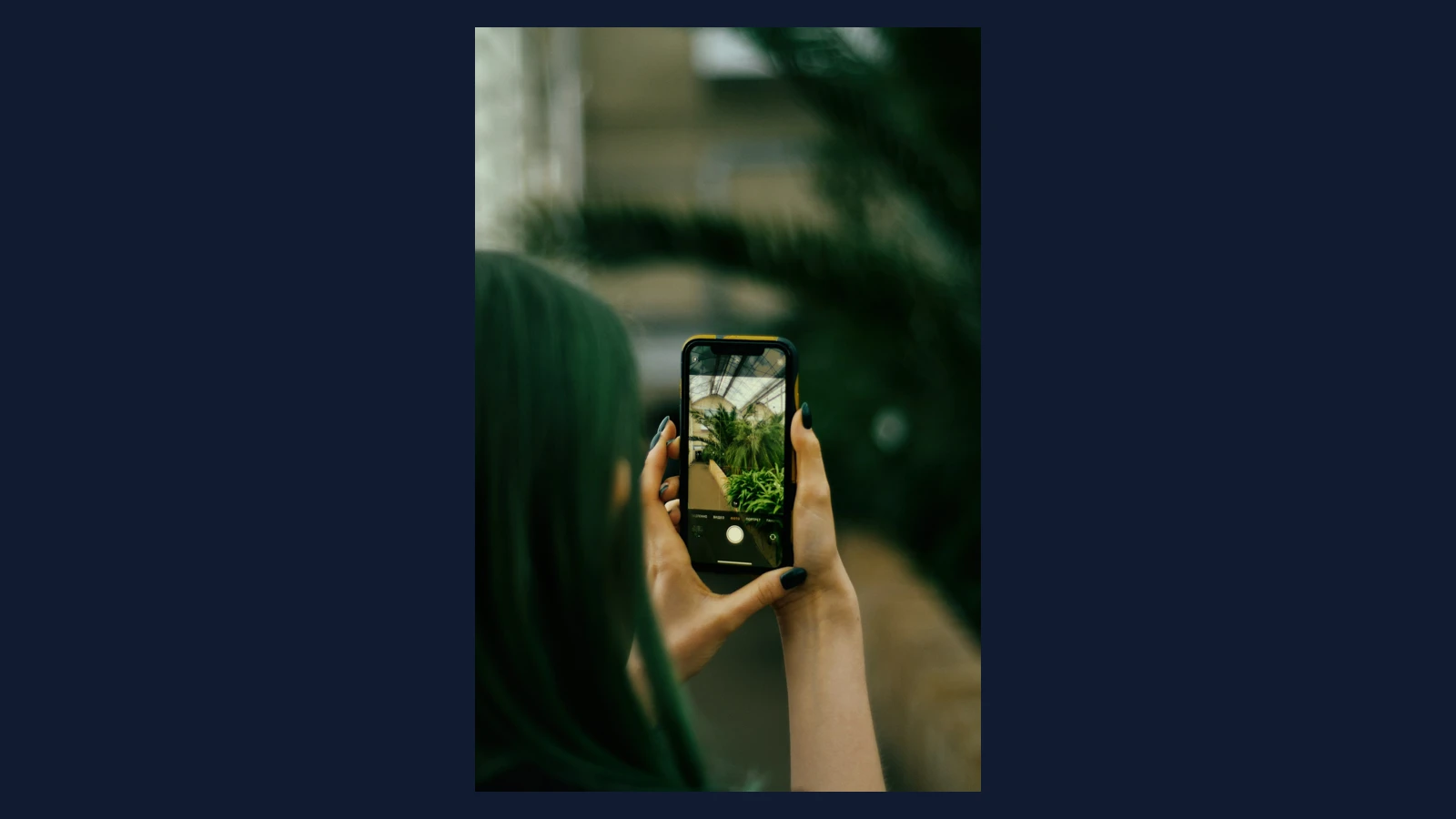
You enter a beautiful room and begin considering how to show it. A conversation becomes material for a later account. An achievement feels unfinished until it has been announced and received. Sharing can extend pleasure, preserve memory and connect people. It can also become the condition under which an experience is allowed to feel real. The moment is being organized around its future presentation before you have decided what it means to you. Attention moves from participating toward selecting evidence that participation occurred.
This is not an argument that photographs, social media or public celebration are inherently shallow. People use them for many legitimate purposes, including relationships that cannot depend on physical proximity. The useful question concerns authority: are you choosing to share something you experienced, or choosing the experience partly because it will produce a recognizable response? The distinction can be difficult because both motives may coexist. It becomes worth examining when an event is repeatedly judged through its public reception rather than through the value you intended it to have.
Notice the part that would remain if nobody saw it
Consider a hypothetical person visiting a museum alone. They enjoy the first gallery, then begin planning images that will demonstrate a cultured and interesting afternoon. They move quickly past works that are difficult to photograph and spend more time arranging a visible proof of attendance. Nothing prevents them from enjoying photography as part of the visit. The question is whether the activity still matches the reason they came. The imagined audience has begun selecting what deserves time without ever entering the museum or accepting responsibility for the afternoon.
Ask what you would notice, choose or remember if no public account followed. The answer should not become another purity test. An event can remain worthwhile even if presentation is part of its appeal. The comparison simply makes the audience's influence easier to identify. You may discover that sharing is genuinely central because the purpose is a relationship, a creative project or public work. You may discover that you are collecting signs of a life whose ordinary experience receives less attention. In either case, clarity permits a choice more specific than automatically documenting everything or declaring documentation forbidden.
Protect other people from an audience they did not choose
A private event often belongs to more than one person. A child's difficulty, a friend's disclosure or a partner's vulnerable moment should not automatically become material because you can tell the story compellingly. Consider consent, privacy and the foreseeable effects of sharing. Publicity may alter the meaning of an exchange that was offered under different conditions. Good intentions do not establish that the other person accepts the audience, the timing or the version of themselves your account would create. Some experiences need room to remain unfinished and undescribed outside the relationship in which they occurred.
If sharing is appropriate, choose what serves its purpose and what can remain private. You do not need to disclose every detail to make a celebration honest or every struggle to make a public identity authentic. The boundary concerns relevance and consent, not merely whether a detail will receive attention. Where legal, professional or confidentiality duties apply, understand and follow them rather than relying on informal permission. An appealing story does not remove obligations attached to other people's information. The ability to publish is different from a well-grounded decision that publication is yours to make.
Let the private response count
Try allowing one ordinary experience to end without immediately producing an account for others. Notice whether you can recognize satisfaction, disappointment or mixed feelings without a public verdict. If the absence of response makes the event feel strangely incomplete, ask what the expected audience was meant to confirm. Was it belonging, success, attractiveness or proof that you are not wasting life? Those questions may lead toward a conversation, a different commitment or a more realistic assessment of what public acknowledgment can provide. A sequence of approving reactions cannot permanently settle every uncertainty about personal worth.
This experiment should remain flexible. A person isolated by circumstance may find sharing a meaningful route to connection. A creative professional may intentionally use experience as material. The point is not withdrawal from an audience but freedom to choose its role. Decide whether documenting happens before, during or after an event and whether that timing helps the actual purpose. A brief note afterward may preserve what matters better than continuous interruption. Alternatively, a shared account may be the activity itself. Evaluate the arrangement by what it enables and displaces, rather than by a universal rule that private is always more genuine.
Some parts of a life become stronger when they are witnessed. Others need protection from the requirement to be understood immediately by people who were never part of them. Both can be true. Keep a place where learning, affection, uncertainty and enjoyment are allowed to exist without being converted into evidence for an identity. You can share a meaningful moment without assigning the audience authority to decide whether it was meaningful. The capacity to keep an experience private is valuable because it preserves a simple possibility: something can matter in your life before, after or entirely without a public response.
Perspective & further context
This is a CyGuru editorial essay: an interpretive framework for examining decisions. The related book develops the author’s perspective; it is not independent evidence for every claim.
Explore more in Society & Consciousness or follow its reading series. Browse every essay.