An unfinished day follows you home
Work can finish on the calendar while continuing to occupy the evening. A document is nearly complete, a client has not replied and a half-remembered task keeps interrupting dinner. The problem is not always the amount of work left. Sometimes it is the absence of a dependable place to leave it. When every unfinished item lives in memory, stopping can feel like abandoning responsibility.
A closing routine gives unfinished work an address. It does not create time that an overloaded schedule lacks, and it cannot repair unreasonable expectations by itself. It can make the boundary between today's effort and tomorrow's commitments more legible. That boundary matters because recovery becomes difficult when the mind remains responsible for continually reminding you what comes next.
Related question: Rest Is More Than the Absence of Work.
Leave instructions for your future self
Imagine a designer closing a laptop after working on three projects. “Finish the presentation” is too broad to make tomorrow easier. “Check the budget slide against the latest supplier quote, then send the draft to Maya” provides a starting point. The second note contains an action, an input and a recipient. It reduces the work needed to reconstruct the situation before useful work can resume.
At the end of a working period, record the next physical or communicative action for the few items that matter most. Keep the list short enough to be believable. Mark dependencies separately: waiting for approval is different from failing to act. If a commitment cannot fit into the available day, renegotiate it before treating personal endurance as the only remaining resource.
Make availability explicit
A private intention to stop checking messages may collide with a workplace that expects continuous replies. Clarify which channels carry genuine emergencies, what counts as an emergency and when routine requests receive an answer. An agreed response window is more dependable than repeatedly deciding whether each new notification deserves the evening.
For a freelancer, the arrangement may belong in a proposal or client welcome message. For an employee, it may require a conversation with a manager. For a caregiver working irregular hours, a conventional evening boundary may be unrealistic. The principle remains useful: define a feasible end point and a clear route for exceptional contact. A boundary that ignores your actual responsibilities will be hard to maintain and easy to interpret as another personal failure.
Related question: When Everything Feels Urgent, Judgment Gets Expensive.
Close the day without grading your worth
Review what advanced, what remains and what must change. Avoid turning the review into a trial about whether you were productive enough to deserve rest. Some days contain interruptions, illness or unexpected care. A useful record accounts for those conditions rather than erasing them in favor of an ideal schedule.
Try the routine for one working week. Notice whether starting becomes easier and whether repeated evening checking changes. If it adds paperwork without helping, simplify it. If work still regularly exceeds capacity, address the workload rather than extending the ritual. In the CyGuru perspective, structure has value when it makes a responsible action easier to repeat. The day can remain unfinished without remaining completely open.
Perspective & further context
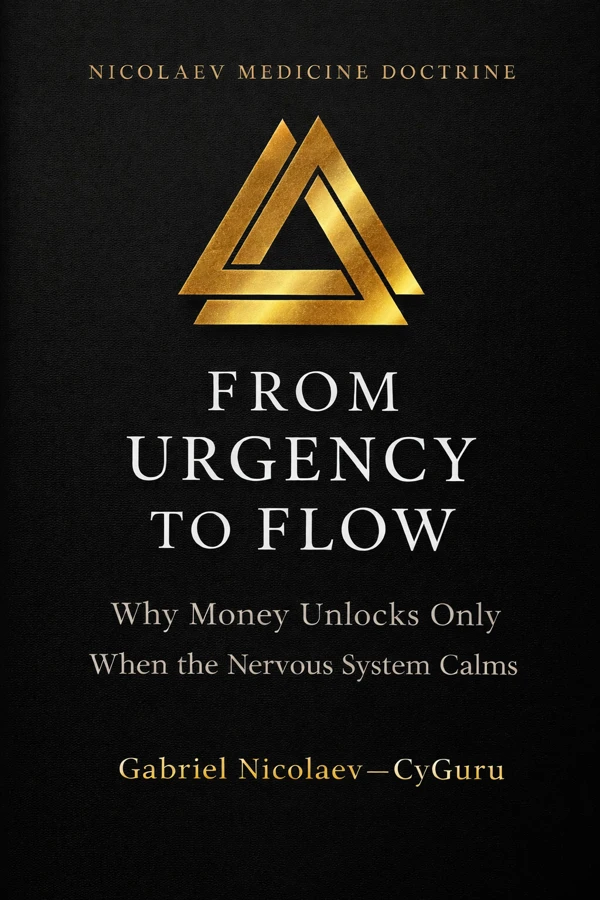
This is a CyGuru editorial essay: an interpretive framework for examining decisions. The related book develops the author’s perspective; it is not independent evidence for every claim.
The following primary sources provide background on the relevant subject. They do not validate the CyGuru framework as a whole.
NIMH: Caring for your mental health ↗Explore more in Mind & Nervous System or follow its reading series. Browse every essay.