The cost of responding too quickly
Urgency can make action feel responsible before anyone has established what the action is supposed to achieve. A message arrives. A client sounds impatient. An unpaid bill enters your thoughts. Suddenly the quickest available response appears to be the only serious one. Yet speed and judgment solve different problems. Speed reduces delay; judgment determines whether a response deserves to happen at all. Confusing them produces activity that is expensive to reverse.
The crucial distinction is between an external deadline and an internal demand for immediate relief. A genuine deadline has an identifiable source and consequence. An internal demand often remains vague: something must happen now because waiting feels intolerable. Both deserve attention, but they should not automatically receive the same authority. Writing down the actual deadline can expose how much pressure comes from interpretation rather than the calendar.
Related question: How to End a Working Day That Still Feels Unfinished.
Find the decision underneath the feeling
Imagine a business owner accepting a heavily discounted project because an empty week feels threatening. The payment offers relief, but the commitment occupies the time needed to pursue better work. The owner has answered anxiety with a contract. A more useful question would have been: what is the minimum cash requirement, when is it due, and which options meet it without consuming the next month? Specific constraints create a decision. General alarm creates a reflex.
This does not mean calm people always choose well or that financial difficulty is a nervous-system problem. Prices, obligations, income and access to support remain material realities. Stress can coexist with good judgment. The objective is to create enough room to inspect alternatives, especially when a choice carries consequences beyond the moment that produced it.
Build a pause with a purpose
A useful pause is structured rather than indefinite. Identify what must be decided, list the available options, and separate what you know from what you assume. For a reversible choice, set a short review period. For an expensive commitment, ask what evidence would change your mind. These steps reduce the chance that urgency quietly becomes the decision-maker.
Consider also the conditions under which decisions repeat. If every important conversation happens when you are exhausted, interruption is constant and your obligations are scattered across memory, another demand for discipline may achieve little. Put deadlines in one place. Leave room between demanding meetings. Establish which decisions genuinely require an immediate answer and which deserve a written proposal.
Related question: From Pressure to Deliberate Decisions: A Practical Guide.
Respond to reality, not only to pressure
The goal is neither perfect composure nor permanent delay. It is a better match between the speed of a response and the importance of its consequences. Sometimes responsibility means acting now. Sometimes it means refusing to turn discomfort into a commitment. Pressure can be acknowledged without being obeyed automatically.
Perspective & further context
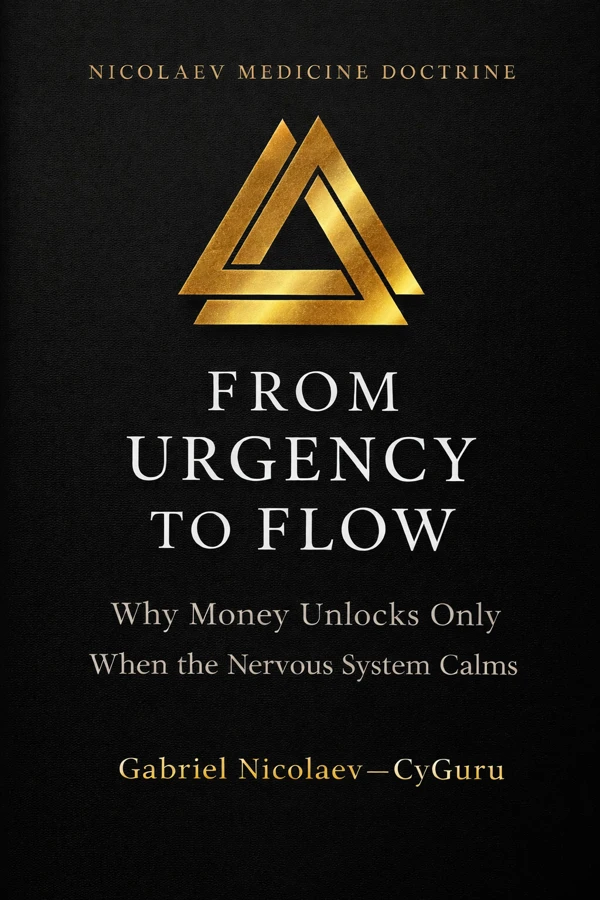
This is a CyGuru editorial essay: an interpretive framework for examining decisions. The related book develops the author’s perspective; it is not independent evidence for every claim.
The following primary sources provide background on the relevant subject. They do not validate the CyGuru framework as a whole.
NIMH: Caring for your mental health ↗Explore more in Mind & Nervous System or follow its reading series. Browse every essay.