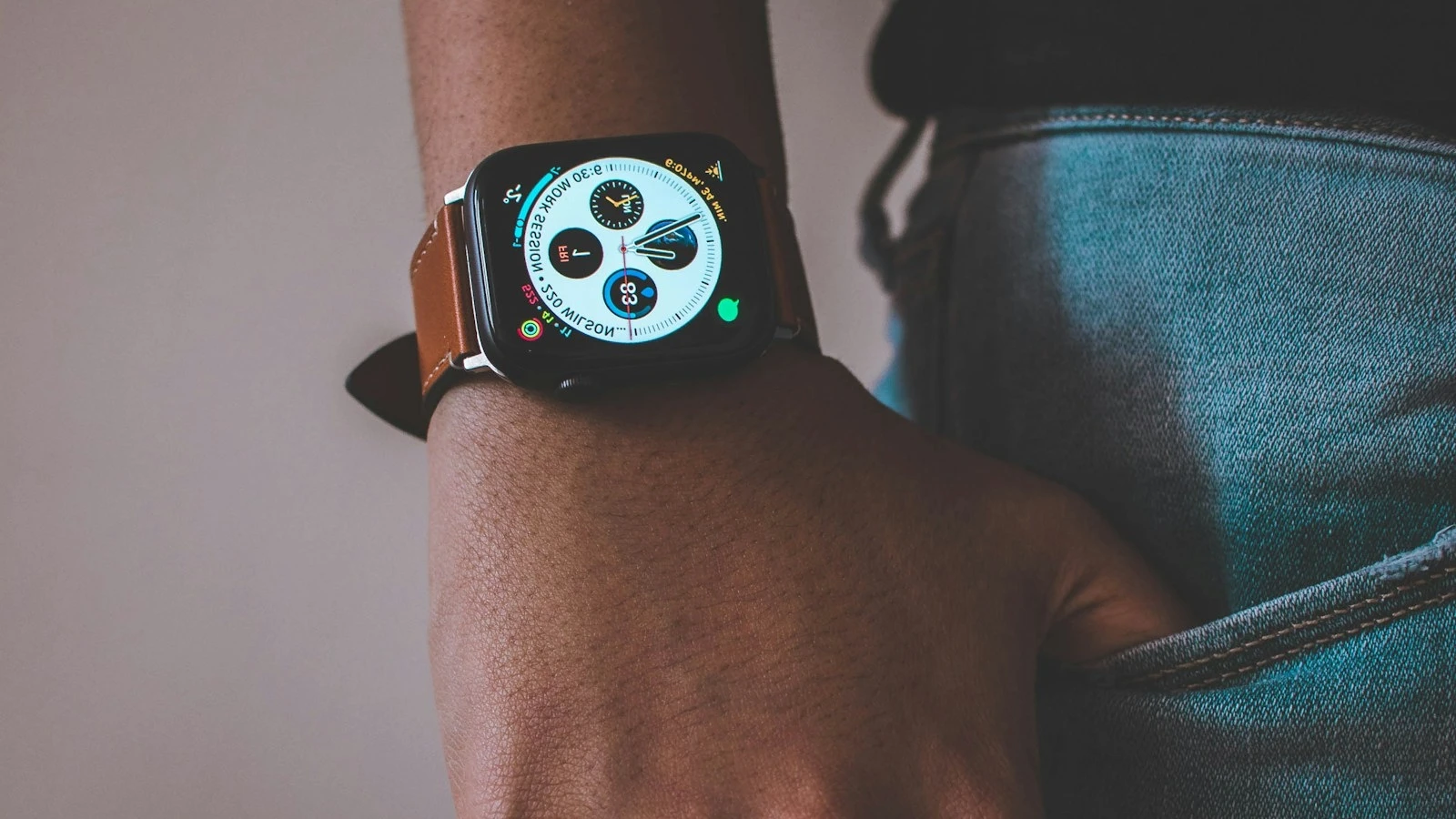
A number can become an authority before you know how it was made
You wake feeling ordinary, then read a low recovery score. The day changes meaning. A meeting appears harder, exercise seems questionable and the body begins to be examined for evidence that the device was right. On another morning, a favorable score may encourage you to dismiss how unwell you actually feel. The device has supplied information. The interpretation has promoted that information into a decision rule before its intended purpose, limitations and relevance to the present situation have been examined.
Wearables can offer useful records and some specific features may have legitimate medical uses. They are not all equivalent. A consumer wellness estimate, an authorized medical function and a clinician's interpretation of symptoms belong to different categories. The FDA's general wellness guidance distinguishes products intended to support a healthy lifestyle from claims involving diagnosis or treatment. That is a regulatory distinction in a particular jurisdiction, not a guarantee that any device's score is accurate for every individual or that a high number establishes good health. Read what the actual feature claims to measure.
Identify the measurement behind the label
Imagine a hypothetical person whose application reports low readiness after a night interrupted by caring responsibilities. The score may correspond to a real disruption, but it does not decide which obligations can be changed or what a particular symptom means. The relevant information includes their experience, the demands of the day and any clinical advice that applies. A broad label such as readiness compresses several assumptions. Before treating it as a command, ask which observations contribute, which are estimated and what the manufacturer says the score should and should not be used for.
Check the instructions, fit requirements, data availability and limitations for the specific device and feature. A missing reading is different from an adverse result. A change after a software update may need a different interpretation from a change during a comparable period under the same conditions. Do not manufacture certainty by comparing incompatible numbers. If you have a medical condition or use a device for an established clinical purpose, follow the relevant clinician's guidance. A general essay cannot determine whether a particular reading is clinically important, technically unreliable or ordinary variation.
Give the data a defined job
Decide which question the record is intended to help answer. You might use it to discuss a recurring pattern with a clinician or to examine how a routine relates to your own experience. Keep the inference limited. A correlation in your personal record does not establish a cause, and a dashboard cannot by itself diagnose why you feel tired, distressed or unwell. Avoid building a theory of your entire nervous system from a small collection of changing scores. A compelling graphic can make an uncertain interpretation feel more complete than it is.
A useful record includes context without becoming continuous self-surveillance. Note relevant events, symptoms or changes when appropriate, and ask what information would actually help the professional assessing a concern. Do not repeatedly provoke a measurement to obtain a preferred result. Do not change prescribed treatment because a wellness application offers a more attractive story about recovery. If new, severe, persistent or otherwise concerning symptoms arise, seek appropriate medical assessment rather than waiting for the device to confirm that something deserves attention. A favorable score cannot make a concerning symptom safe to ignore.
Keep authority distributed among the relevant sources
Consider how the device affects behavior over time. Does it help you notice a useful pattern and make a proportionate change, or does each morning begin with permission-seeking from the screen? If the score substantially increases distress or preoccupation, consider discussing that effect with an appropriately qualified professional and reviewing how the tool is used. You may need a different rhythm of review, a clearer purpose or a decision that the feature is not helpful for you. Such a decision should respect any genuine clinical role the device has rather than treating all health technology as interchangeable.
The same discipline applies to improvements. A rising score can feel rewarding and still leave important questions unanswered. Does ordinary functioning improve? Are symptoms changing? Are you making choices that remain feasible without an ideal dashboard result? The device's feedback should not be the only outcome that counts. Some people may find that a simple record of experience and professional follow-up serves their question better than constant numerical feedback. Others may benefit from specific measures. The correct assessment concerns the particular use, not a general identity of being either data-driven or intuitively independent.
If you share a device report with a professional, include the feature name and relevant context rather than only a screenshot of the overall score. The interpretation depends on what the number represents and why it was collected.
CyGuru's emphasis on capacity asks us to examine the conditions beneath performance. Applied responsibly, that inquiry should also question the tools through which capacity is represented. An estimate becomes useful when its limits are understood and it has a defined role. It becomes overextended when it claims authority over every sensation, commitment and choice. Preserve the distinction between measurement, interpretation and action. A wearable can contribute to an informed decision without becoming the institution that decides whether you are entitled to trust your own experience or seek appropriate care.
Perspective & further context
This is a CyGuru editorial essay: an interpretive framework for examining decisions. The related book develops the author’s perspective; it is not independent evidence for every claim.
The following primary sources provide background on the relevant subject. They do not validate the CyGuru framework as a whole.
FDA: General wellness policy for low-risk devices ↗Nicolaev Medicine is presented as the author’s perspective, not an established clinical specialty. This article does not diagnose or prescribe treatment.
Explore more in Health & Nicolaev Medicine or follow its reading series. Browse every essay.