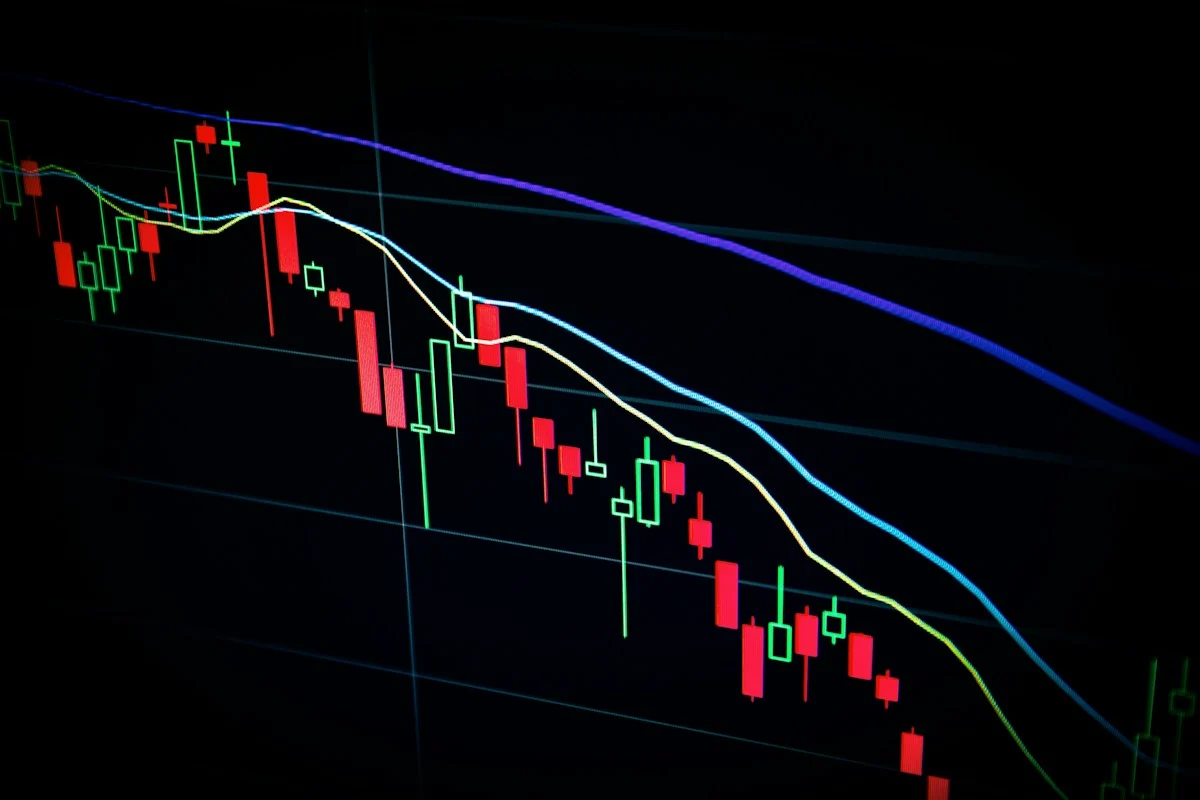
A loss changes more than the account balance
After several losing trades, the next decision can acquire an additional job: recover the money and restore the trader's confidence. A position that would previously have looked marginal now appears necessary. The account has declined, but the more immediate danger may be a change in the decision process that makes further exposure harder to justify.
A drawdown is a decline from a previous account peak. It does not by itself explain whether a strategy has failed, whether execution deteriorated or whether an accepted risk occurred. That assessment requires records, appropriate analysis and an honest account of the actual exposure. Emotional urgency cannot supply the missing evidence, even when the need to recover feels compelling.
Related question: Borrowing a Trader’s Conviction Does Not Transfer Their Risk.
Remove the target of getting back to even
Consider a hypothetical trader whose account falls from 10,000 units to 9,000. Returning to 10,000 requires a gain of about 11.1 percent on the remaining balance, before fees or other costs. The arithmetic describes the account; it does not create a market opportunity. A previous balance has no authority over what the next trade can reasonably offer.
Compare the next proposed trade with the process written before the drawdown. Are entry conditions, invalidation and exposure still defined? Has position size increased because the account needs relief? Has the trader begun looking for instruments that move faster? A change motivated by recovery deserves scrutiny even if it later produces a profit.
Review execution before rewriting everything
Separate losses taken within the intended process from departures from it. Then examine whether the process itself had a credible basis and whether conditions have changed. A small set of trades is rarely enough to make a strong claim about future performance. Equally, a written rule is not automatically sensible simply because it was followed consistently.
A pause, reduced exposure or simulated review may help protect decision quality while the record is examined, but none guarantees safety or profitability. Leveraged products can magnify losses. Official investor education warns that frequent speculative trading carries substantial risks. Only risk capital and a process appropriate to the person's circumstances belong in consideration; an editorial framework cannot determine suitability or substitute for qualified advice.
Related question: The NSI Lens: Observe the Trader as Well as the Market.
Treat regulation as support for analysis
The CyGuru trading perspective pays attention to the trader as well as the market. Notice fatigue, agitation and the impulse to make the next outcome repair an earlier one. Those observations may help identify a need to stop and reassess. They do not forecast prices, validate an indicator or establish that a calm trade has positive expected value.
Write the reason for the next action in terms that do not refer to recovering a previous balance. If that cannot be done, the proposed action may still be serving the drawdown rather than a defensible opportunity. The immediate goal after a difficult sequence is a process you can inspect. Returning to a peak is an outcome you cannot command by deciding that it must happen next.
Perspective & further context
This is a CyGuru editorial essay: an interpretive framework for examining decisions. The related book develops the author’s perspective; it is not independent evidence for every claim.
The following primary sources provide background on the relevant subject. They do not validate the CyGuru framework as a whole.
Investor.gov: Day trading ↗Explore more in Trading & Markets or follow its reading series. Browse every essay.