The meal begins before the plate
Food choices are often judged at the moment of eating, as though the decision began when someone opened the refrigerator. In practice, price, availability, time, cooking facilities, household routines and earlier purchases have already shaped the options. A person returning home late with no prepared food faces a different decision from someone whose next meal is easy to assemble.
This matters because advice focused only on willpower can miss the place where change is easiest. If every meal requires a new negotiation with fatigue, the system asks for repeated effort. A small amount of planning may reduce that demand without requiring an elaborate identity built around food.
Related question: A Sustainable Food Pattern Includes Your Difficult Days.
Work with your actual week
Begin with the days that create the most friction. Perhaps breakfast is manageable but lunch is regularly skipped, leaving an expensive and hurried evening decision. Perhaps food is available but there is no time or energy to cook it. Identify one recurring bottleneck and prepare a realistic alternative: a simple meal, a useful ingredient combination or a dependable option when plans change.
The answer should fit finances, culture, preferences and health needs. A plan that depends on expensive specialty ingredients or daily uninterrupted cooking time may fail because its assumptions are wrong, not because the person lacks discipline. Convenience can be designed rather than condemned.
Make the default more useful
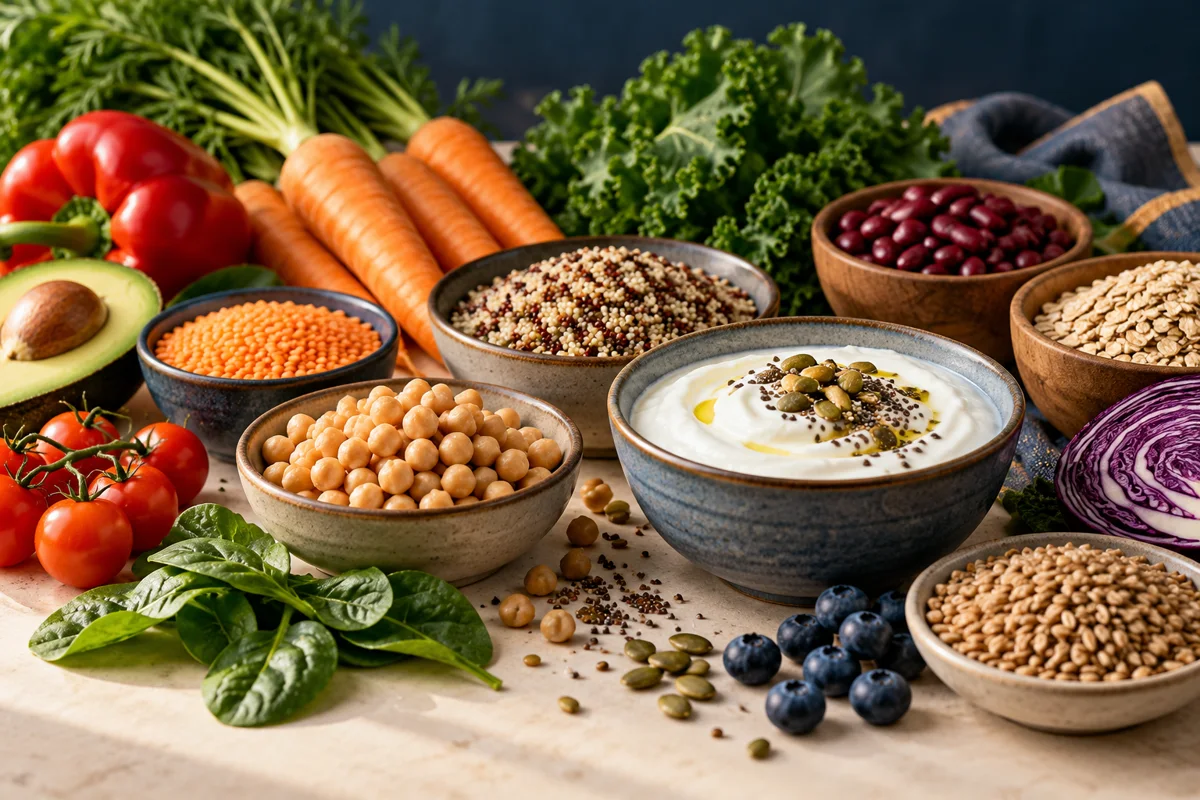
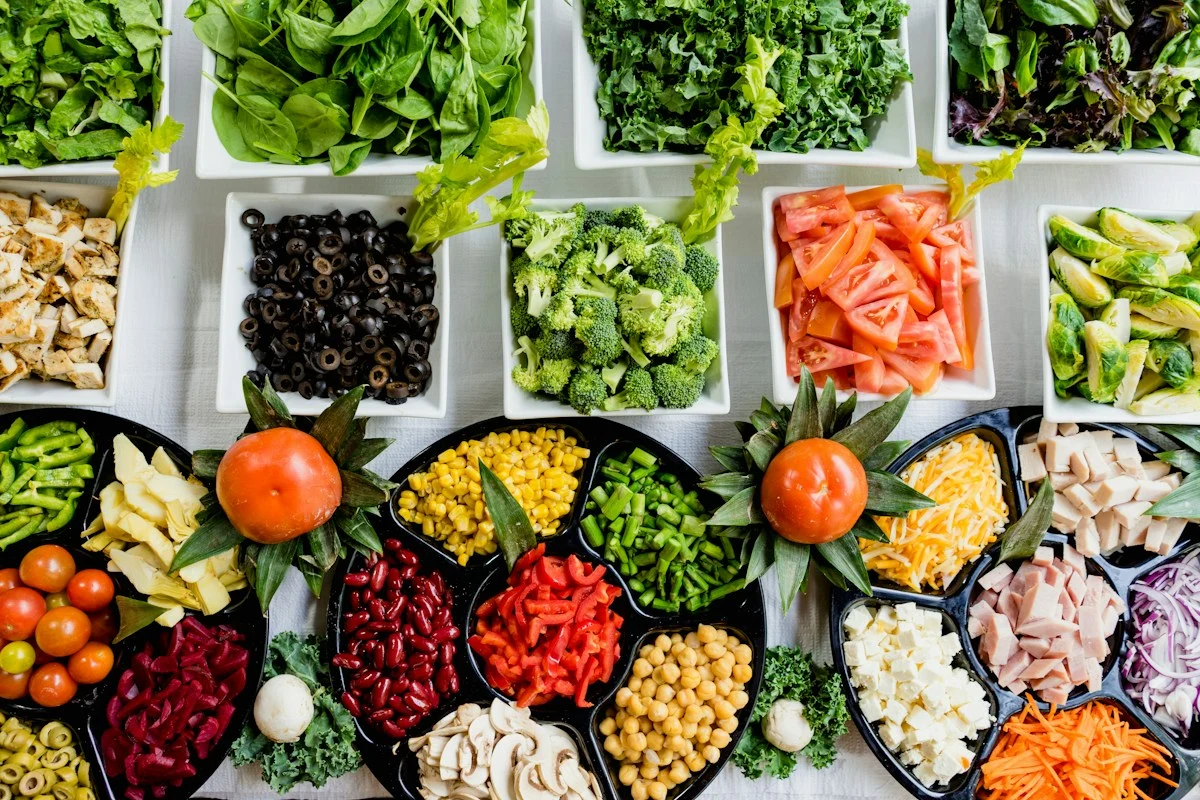
The WHO describes adequacy, balance, moderation and diversity as central principles of healthy diets. These principles are broader than a single fashionable food. In practical terms, look at the pattern you can sustain: what is missing, what repeatedly crowds other foods out, and whether the available choices support your needs over time.
Avoid turning a general principle into a rigid personal rule without considering circumstances. Medical conditions, allergies, pregnancy, medication and a history of disordered eating can change what is appropriate. Extreme restriction is not made safe by attaching a biological explanation to it.
Related question: The Microbiome Is an Ecosystem, Not a Single Solution.
Review without moralizing
At the end of a week, ask which meals were easy, which were difficult and what caused the difference. A missed plan is information about workload, preparation, cost or preference. It does not need to become a verdict about character. Adjust the conditions before escalating the rules.
The aim is a food environment that makes a reasonable choice more available when attention is limited. You will still eat spontaneously, celebrate, travel and adapt. A useful structure leaves room for those realities. It supports nourishment without requiring every meal to become evidence in a trial about your self-control.
Perspective & further context
This is a CyGuru editorial essay: an interpretive framework for examining decisions. The related book develops the author’s perspective; it is not independent evidence for every claim.
The following primary sources provide background on the relevant subject. They do not validate the CyGuru framework as a whole.
WHO: Healthy diet ↗NIDDK: Diet and the gut microbiome ↗NIH: Probiotics — evidence and limitations ↗Nicolaev Medicine is presented as the author’s perspective, not an established clinical specialty. This article does not diagnose or prescribe treatment.
Explore more in Health & Nicolaev Medicine or follow its reading series. Browse every essay.